

Create an Organisational Structure to Meet the Demands of Operations
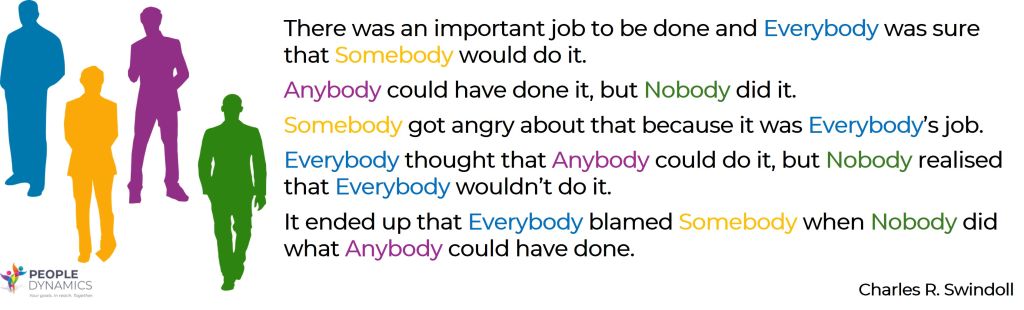
Even the best systems fail if no one is responsible for carrying them out.
Definition
📖 An organisational structure ensures that:
- Work is clearly assigned
- Everyone understands their role
- Accountability is enforced
- Decisions are made efficiently
- Communication flows smoothly
The Six Building Blocks of Organisational Structure
- Task division
- Role grouping
- Reporting lines
- Authority and decision rights
- Coordination mechanisms
- Communication channels
Structures may be more mechanistic (formal and hierarchical) or organic (flexible and collaborative). Most growing businesses use a blend of both.
How to Design an Organisational Structure That Supports Scalable Operations
Step 1: Operations Trump Job Titles
Always start with the principle that structure follows workflow.
Your structure must reflect operational reality, not hierarchy, trends, or impressive-sounding titles.
List the core operational functions required to deliver value to customers. Most businesses include some version of:
- Sales and revenue generation
- Product creation or service delivery
- Finance and administration
- Customer support and retention
Step 2: Match Structural Complexity to Business Size
Different stages of growth require different levels of structure.
- Early stage (1–10 people)
Individuals perform multiple roles
Communication is informal
Decision-making is centralised
At this stage, clarity matters more than hierarchy. - Growth stage (10–30 people)
Functional specialisation begins
Team leads emerge
Coordination becomes critical
This is typically when basic management layers are introduced. - Scaling stage (30+ people)
Clear departments and reporting lines are essential
Middle management enables execution
Systems replace informal communication
How can you tell if you’re at this stage?
Create a new dedicated role when a single function consistently consumes 25% or more of one person’s time.
Step 3: Define Clear Accountability and Reporting Lines
When people are unsure who owns a decision, progress slows and frustration rises. And if two people own the same outcome, no one truly owns it. So make sure that every role in your structure answers these three questions:
- What am I responsible for delivering?
- Who do I report to?
- Who relies on my output?
Document this visually using a simple organisational chart supported by short role descriptions.
Step 4: Design for Flexibility
Markets shift.
Customer needs evolve.
Strategy changes.
Your organisational structure must be adaptable without constant disruption.
Build flexibility by:
- Grouping roles around functions, not individuals
- Defining responsibilities clearly but allowing role growth
- Reviewing structure at key growth milestones (e.g., hiring every 10th employee)
Think of structure as a living system, not a fixed diagram.
Step 5: Enable Fast, Clear Communication Across the Business
In business, the speed of communication determines the speed of execution.
Even a perfectly designed structure fails if information cannot move efficiently.
Healthy operational communication flows in three directions:
- Downward → clarity of goals and expectations
- Upward → visibility of risks, progress, and insights
- Across → coordination between teams delivering shared outcomes
Design communication intentionally through:
- Regular team check-ins
- Clear decision pathways
- Shared operational metrics
Structural Simplicity
Forget about impressing outsiders. Your organisational structure exists to serve execution.
Keep it:
- As simple as possible
- As clear as necessary
- As flexible as growth demands
In early-stage businesses, formal structures may feel unnecessary. Often, one person performs multiple roles. However, creating a clear structure early (using role placeholders) makes future growth far easier.
When structure aligns with operations, your business gets consistent performance that can scale.
↙️ Next
- Module 04: Human Resources Management takes a deep dive into the practicalities of assembling a team.
- Complete the quiz below to complete this module!